
Return Safari Uganda: Why Repeat Travellers Fall in Love All Over Again
Return Safari Uganda: Why Repeat Travellers Fall in Love All Over Again, For many travellers, a first safari in Uganda centres on the country’s most iconic highlights. Encountering mountain gorillas in Bwindi Impenetrable Forest, tracking chimpanzees in Kibale National Park, spotting tree-climbing lions in Queen Elizabeth National Park, or standing before the thunderous Murchison Falls are unforgettable milestones. These moments define the Pearl of Africa for first-time visitors.
Yet those who return often discover that Uganda’s greatest rewards lie beyond the classic checklist. A second visit offers the chance to slow down, explore lesser-visited regions, deepen primate encounters, and experience the bush with greater intent. With each return safari, Uganda reveals new landscapes, wildlife behaviours, and perspectives. This makes it a destination that continues to inspire long after the first journey ends.
Ready to experience Uganda differently? Drift along the Kazinga Channel by boat, trek deeper into gorilla country, or venture into the remote north and discover the hidden side of the Pearl of Africa.
Why a Second Safari in Uganda Feels Completely Different
While a first safari is often shaped by must-see attractions and wildlife checklists, a return visit allows for new perspectives. With the major highlights already enjoyed, the focus shifts toward immersion and discovery of Uganda’s extraordinary wilderness.
Trading bucket lists for meaningful moments Most first-time visitors arrive with a list of experiences they hope to tick off: one gorilla trek, a chimp walk, a classic game drive. A second safari in Uganda is less about achieving goals and more about embracing the journey itself. Instead of rushing between destinations, you can spend longer in places beyond the traditional circuit, linger with habituated gorilla families, or explore quieter sectors.
From watching a silverback interact with juveniles to enjoying quiet sunsets over crater lakes, the emphasis shifts. Rather than seeing more, it becomes about experiencing more and deeper. This approach creates a real connection with the landscape, wildlife, and people of Uganda.
Slowing down and appreciating the details of the bush, Return Safari Uganda: Why Repeat Travellers Fall in Love All Over Again,The greatest luxury on a repeat safari is not necessarily seeing more animals, but having the time to appreciate them. Returning often allows you to discover the beauty hidden in the smaller details: the intricate social dynamics of a gorilla group, the call of forest birds at dawn, the changing light across the Ishasha plains, or the impact of different seasons on wildlife movements.
A second safari in Uganda becomes less about sightings and more about observation. Spending several nights in one location helps you feel a deeper connection with the environment and understand the rhythms of the bush—from the eerie night sounds of the rainforest to early-morning activity along the Nile.
Building on knowledge from your first safari On a return safari, your experience is enriched by everything learned 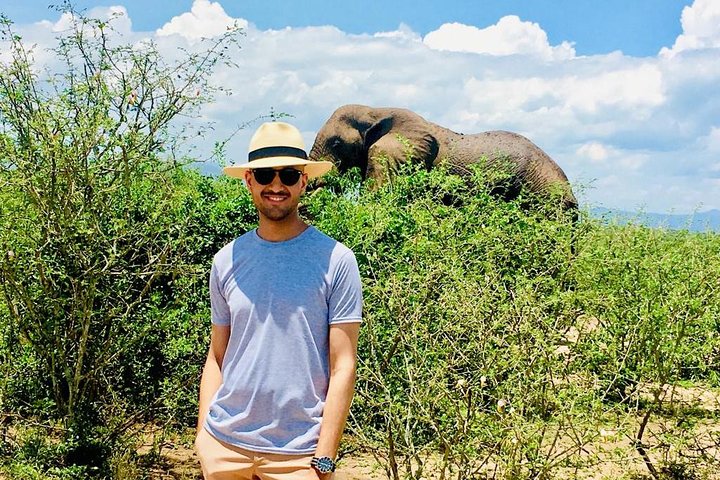 previously. Familiarity with wildlife behaviour, forest ecosystems, and safari etiquette allows you to engage differently. Instead of solely focusing on different species, returning guests want to understand interactions, habitats, and conservation challenges. Instead of ticking off mountain gorillas once, they are ready for specialised experiences such as the Gorilla Habituation Experience or multiple chimpanzee tracking sessions. They are ready to venture further into remote wilderness areas such as Kidepo Valley National Park.
With a stronger foundation and greater confidence, returning visitors appreciate the complexities and intricacies of Uganda’s diverse ecosystems. Looking beyond the headline primates and Big Five becomes natural.
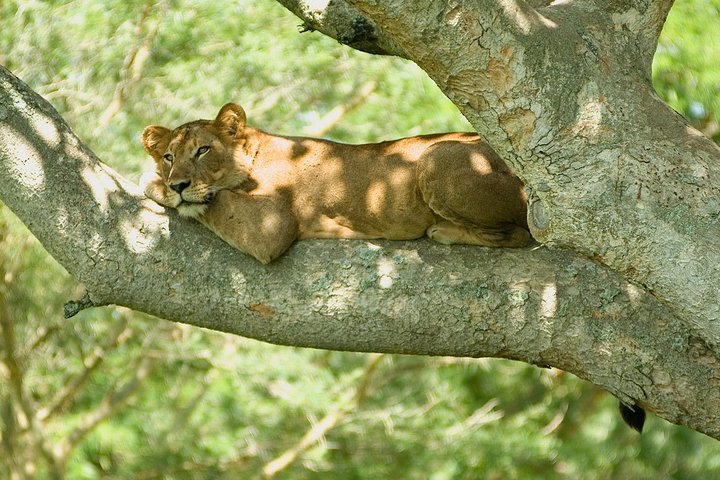
Why a rare golden monkey or tree-climbing lion can be as exciting as a gorilla A first safari is often about the thrill of mountain gorillas or the classic savannah species. On a repeat safari in Uganda, guests often begin to appreciate rarer or more specialised encounters. Spotting golden monkeys in Mgahinga, observing tree-climbing lions lounging in Ishasha’s fig trees, or watching a secretive leopard in Lake Mburo can be every bit as rewarding. Such encounters often require patience, local knowledge, and a keen eye—qualities that make them especially satisfying.
Birdlife, reptiles, and the rich insect world of the forests also become part of the experience. Uganda hosts over 1,000 bird species. Returning safari guests begin to appreciate the complexity and interconnectedness of the natural world, revealing details often missed on a first visit and adding depth to every drive or trek.
Spending more time observing animal behaviour with your guide transforms wildlife viewing. Instead of a simple sighting, you gain a richer understanding of how animals survive and thrive within Uganda’s ecosystems.
Bwindi and Mgahinga: Rediscovering Gorilla Country Beyond the First Trek
Although Bwindi Impenetrable National Park is famous for mountain gorilla trekking, there is far more to Uganda’s gorilla regions than a single hour with a family. Repeat travellers are often drawn to different sectors, the Gorilla Habituation Experience, or combining Bwindi with Mgahinga Gorilla National Park for contrasting habitats.
Deeper gorilla experiences and habituation Bwindi holds roughly half the world’s remaining mountain gorillas across multiple habituated families in sectors such as Buhoma, Ruhija, Rushaga, and Nkuringo. A second trek, or the extended Gorilla Habituation Experience (up to four hours with a group still being habituated), allows far more observation of behaviour, social bonds, and individual personalities. Mgahinga offers a different setting on the slopes of the Virunga volcanoes, often combined with golden monkey tracking.
For repeat visitors, these options turn a once-in-a-lifetime encounter into a richer, more personal relationship with the great apes.
Why repeat travellers appreciate staying longer in gorilla areas Many first-time visitors move quickly after one trek. Returning travellers often choose several nights in one sector. Staying longer allows better understanding of the forest, wildlife movements, and daily rhythms. Guides can build on previous sightings, and there is greater flexibility for cultural visits with the Batwa communities or simply time spent absorbing the ancient rainforest atmosphere.
Queen Elizabeth and the Southwest: Tree-Climbing Lions and Channel Adventures
Queen Elizabeth National Park offers a more varied, accessible safari experience that pairs beautifully with primate destinations. Its mosaic of savannah, wetlands, crater lakes, and the Kazinga Channel creates a sense of true adventure with fewer crowds than some classic East African circuits.
Ishasha sector – tree-climbing lions and intimate sightings The southern Ishasha sector is renowned for its tree-climbing lions, a behaviour seen in few places on earth. Combined with classic game drives, this area rewards patience and longer stays. The Kazinga Channel boat safari delivers outstanding hippo, crocodile, elephant, and bird concentrations at close range.
For returning safari travellers, Queen Elizabeth provides a welcome contrast to pure forest experiences—dramatic predator interactions and authentic wildlife viewing with relatively low vehicle density.
Fewer vehicles, more authentic encounters One of the striking aspects of many Ugandan parks is the sense of space. Game drives and boat trips often unfold without constant vehicle congestion. Wildlife behaves more naturally, creating richer sightings. This quieter style emphasises quality of experience over quantity of sightings and fosters a deeper connection with nature.Return Safari Uganda: Why Repeat Travellers Fall in Love All Over Again
Murchison Falls and the North: Power of the Nile and Remote Wilderness
 Murchison Falls National Park, Uganda’s largest, delivers classic big-game viewing alongside one of Africa’s most dramatic natural spectacles. The Victoria Nile forces itself through a narrow gorge before plunging into the “Devil’s Cauldron.” Boat safaris to the base of the falls, combined with game drives across open plains, offer elephants, giraffes, buffalo, lions, and prolific birdlife, including the rare shoebill in nearby wetlands.
Further north, Kidepo Valley National Park stands as one of Uganda’s best-kept secrets. This remote, sparsely visited wilderness delivers an authentic, off-the-beaten-track feel with excellent predator and antelope viewing, dramatic landscapes, and a genuine sense of isolation. For seasoned travellers seeking something truly different on a second safari in Uganda, Kidepo provides the ultimate contrast to the southwest circuit.
Kibale and the Primate Heartland: Chimpanzee Immersion
Kibale National Park, often called the primate capital of the world, hosts the highest density of primates in Africa, including a large chimpanzee population. A first visit usually includes one tracking session. On a return safari, many guests opt for a second trek, the Chimpanzee Habituation Experience, or combine Kibale with nearby crater lakes and forest walks. The lush environment, abundant birdlife, and high success rates make it ideal for deeper immersion.
The Luxury of Staying Longer
For visitors on a return safari, one of the greatest shifts is the decision to slow down. Rather than moving quickly between destinations, the focus is often on spending more time in fewer places.
Spending three or four nights (or more) in one location allows you to settle into the rhythm of the forest or savannah. Without pressure to pack and move on, unhurried mornings, extended observation, and flexible activities become possible. Wildlife sightings often improve with time as guides learn preferences and animals become more familiar. This slower approach creates space for greater comfort and deeper understanding.
Camps and lodges themselves become an essential part of the experience—places of atmosphere, comfort, and immersion rather than mere overnight stops. Sundowners overlooking crater lakes or the Nile, guided forest walks, and conversations around the campfire take on greater significance. These slower moments allow reflection, shared insights with guides, and a genuine sense of connection with both nature and fellow travellers.
Building Relationships with Your Guide
One of the most rewarding aspects of a return safari in Uganda is developing deeper relationships with guides and trackers. Over time, the connection transforms from formal guiding into something more personal and intuitive.
The difference between spotting animals and understanding them becomes clear. Attention shifts from simply finding wildlife to interpreting behaviour, social dynamics, and context. A gorilla family is no longer just a sighting but a complex social unit; a lion pride reveals individual personalities and strategies.
Experienced guides help travellers move beyond chasing individual sightings toward following patterns of behaviour and anticipating movements. Learning to read the bush—tracks, calls, wind, subtle cues—adds confidence and connection. What once seemed an empty landscape becomes rich with information and possibility.
Frequently Asked Questions About a Repeat Safari in Uganda
Is a second safari in Uganda worth it? Yes. While first visits typically focus on iconic gorilla trekking and headline parks, returning allows you to slow down, deepen primate encounters (multiple treks or habituation), explore quieter regions such as Kidepo or different sectors of Bwindi and Queen Elizabeth, and appreciate wildlife behaviour and landscapes with fewer “must-see” pressures. Many guests find the return journey fresher, more personal, and more immersive.
Which areas are best for returning safari travellers? Beyond classic Bwindi and Kibale, strong options include the Ishasha sector of Queen Elizabeth for tree-climbing lions, Murchison Falls for Nile drama and big game, Kidepo Valley for remote wilderness, and combinations that allow longer stays or specialised experiences such as gorilla or chimpanzee habituation. These destinations stand out for fewer vehicles, varied ecosystems, and a stronger sense of discovery.
Should I revisit Bwindi or explore other regions? Both. Revisiting Bwindi or Mgahinga for a second trek or habituation experience deepens the primate connection. Exploring Queen Elizabeth, Murchison Falls, or Kidepo introduces completely different landscapes and wildlife. Many return travellers combine familiar highlights with new areas for a balanced itinerary.
How many nights should I stay in each safari area? For a return safari, spending at least three to four nights per main area is highly recommended. This reduces travel fatigue, increases chances of exceptional sightings, and allows guides to tailor experiences more closely to your interests. Longer stays encourage deeper connection and a more relaxed overall journey.
What wildlife experiences appeal most to repeat safari guests? Beyond single sightings, many focus on behaviour and interaction: extended gorilla observation, predator dynamics, chimpanzee social life, boat-based viewing on the Kazinga Channel or Nile, and specialised activities such as walking safaris, birding, or cultural interactions. Slow experiences and multiple primate encounters often rank highest.
When is the best time for a return safari in Uganda? There is no single best time. The dry seasons (roughly June– September and December–February) offer easier trekking and concentrated wildlife viewing. The green seasons bring lush landscapes, fewer visitors, excellent birding, and often lower rates. Many returning travellers deliberately choose a different season from their first visit to experience familiar regions in a new light. Timing ultimately depends on your priorities—primates, big game, photography, or solitude.
Conclusion: Uganda Rewards Those Who Return
Thanks to its immense diversity from ancient rainforests and mountain gorillas to powerful waterfalls, tree-climbing lions, and remote northern valleys—Uganda rarely reveals everything on a first visit. Iconic experiences such as gorilla trekking in Bwindi leave a lasting impression, yet they form only part of a far richer story.
A second or third safari offers the freedom to slow down, explore new areas, and focus on personal interests. Whether revisiting gorilla country for deeper encounters, lingering longer in Queen Elizabeth or Murchison Falls, or discovering the wild solitude of Kidepo, each journey feels distinct.
Over time, Uganda shifts from a place you visit into a place you continue to understand. The Pearl of Africa rewards those who return. Ready to see a different side of Uganda? Speak to experienced travel specialists on the ground and start planning your return journey today.