
A Traveller’s Guide To Hiking Mountain Rwenzori
A Traveller’s Guide To Hiking Mountain Rwenzori, The Rwenzori Mountains, famously known as the “Mountains of the Moon,” rise majestically along the border of Uganda and the Democratic Republic of Congo. For adventurous travelers seeking a truly unique mountain experience, hiking Mountain Rwenzori offers misty rainforests, dramatic peaks, giant vegetation, and an almost mystical atmosphere that feels worlds away from everyday life.
This practical and heartfelt guide is written for regular travelers who dream of exploring one of Africa’s most extraordinary mountain ranges. Whether you’re an experienced hiker or a determined first-timer with a passion for nature, this article will help you plan a safe, rewarding, and unforgettable hiking Mountain Rwenzori adventure in 2026–2027.
Why Hiking Mountain Rwenzori Should Be on Your Bucket List
Hiking Mountain Rwenzori is far more than just another mountain trek, it is a journey into one of Africa’s most pristine and otherworldly environments. Unlike the arid, rocky summits of Kilimanjaro or Mount Kenya, the Rwenzori are characterized by lush, boggy terrain, towering lobelias, and near-constant mist that creates an enchanting, almost prehistoric landscape.
This UNESCO World Heritage Site is home to incredible biodiversity, including rare birds, colorful chameleons, and unique alpine plants found nowhere else on the planet. The sense of exploration is strong because the mountains remain relatively untouched compared to more commercialized peaks. You’ll walk through dense bamboo forests, cross icy streams, and reach snow-capped summits with breathtaking views across the Albertine Rift Valley.
For travelers who crave both physical challenge and raw natural beauty, hiking Mountain Rwenzori delivers one of the most memorable experiences in East Africa. The combination of dramatic scenery, rich ecology, and warm encounters with the local Bakonzo communities makes it a journey that stays with you long after you descend.
Best Time to Hike the Rwenzori Mountains
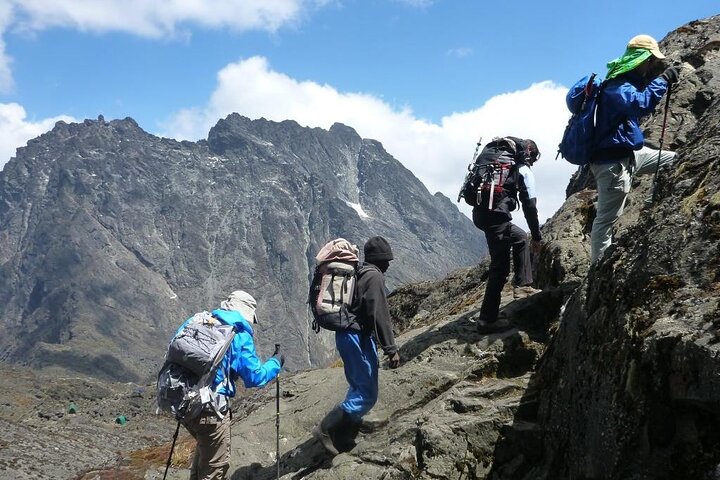
Selecting the right season is one of the most important factors for a successful hiking Mountain Rwenzori trip. The Rwenzori receives rainfall year-round, but there are two main drier windows that offer the best trekking conditions: December to February and June to August. During these periods, trails are less muddy, river crossings are safer, and visibility is generally improved.
The wetter months (March–May and September–November) bring heavier rains, making paths extremely slippery and increasing the chance of landslides. However, some experienced hikers prefer these seasons for fewer crowds and lush, vibrant vegetation. No matter when you choose to go, be ready for rapidly changing weather — bright sunshine can turn into thick mist and rain within minutes.
Packing proper waterproof gear and maintaining flexible expectations is essential. Understanding the best time to hike helps you maximize both safety and enjoyment during your hiking Mountain Rwenzori adventure.
Understanding the Different Routes and Difficulty Levels
Hiking Mountain Rwenzori offers several routes suited to different fitness levels and interests. The most popular is the Central Circuit, a 7–9 day loop that circles the high peaks, including Margherita Peak (5,109m), the highest point in the range. This route is challenging but incredibly scenic, passing through all major vegetation zones from tropical forest to alpine desert.
Shorter options, such as the 4–5 day trek to Nyabitaba Hut or the base of the peaks, provide an excellent introduction for those with limited time. More technical climbers can attempt summit routes that require crampons and ice axes during drier periods.
All routes are physically demanding due to steep sections, high altitude, and boggy ground. Proper acclimatization is vital to reduce the risk of altitude sickness. Whether you choose a shorter trek or a full summit attempt, each path on hiking Mountain Rwenzori offers its own unique rewards and lasting memories.
What to Expect on a Rwenzori Hike
A typical day hiking Mountain Rwenzori begins early with a warm breakfast in a basic hut or tented camp before heading into the mist-covered forest. Daily walking hours usually range from 5 to 8, with frequent stops to admire giant groundsels, colorful mosses, and unique alpine flowers. The terrain is often wet, muddy, and uneven, requiring good balance and sturdy boots.
Weather can change dramatically within hours — bright sunshine may quickly give way to cold rain and thick fog. Nights at higher altitudes can be surprisingly chilly. The feeling of isolation is powerful, especially on less-visited sections, creating a genuine sense of wilderness adventure.
Experienced guides and porters from the local Bakonzo community accompany every trek, sharing knowledge about the mountains, plants, and cultural traditions. The blend of physical challenge, stunning scenery, and cultural immersion makes hiking Mountain Rwenzori a deeply enriching experience that goes well beyond a standard mountain climb.
How to Prepare Physically and Mentally for the Trek
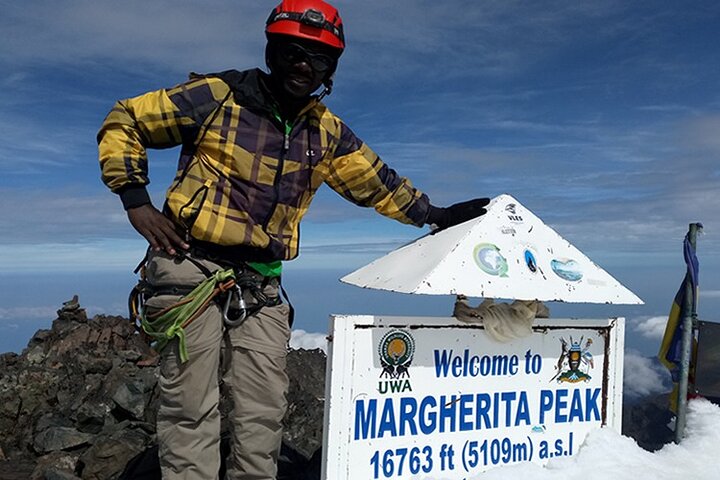
Hiking Mountain Rwenzori is physically demanding, so solid preparation is essential for success and enjoyment. Begin a targeted training program at least 8–12 weeks before departure, focusing on cardio, hill walking with a weighted backpack, and strength exercises for legs and core.
Mentally, prepare for variable weather, long trekking days, and the possibility that weather conditions may prevent reaching the highest summits. Maintaining a positive, flexible mindset is just as important as physical fitness.
Essential packing includes high-quality waterproof boots, gaiters, quick-dry layers, a warm down jacket, full rain gear, gloves, a hat, headlamp with spare batteries, sunscreen, and a sleeping bag rated for cold temperatures. Hiring a porter not only lightens your load but also directly supports the local economy. Proper physical and mental preparation significantly improves your experience on hiking Mountain Rwenzori. (112 words)
Permits, Guides, and Responsible Trekking Practices
All treks in the Rwenzori Mountains require official permits from Rwenzori Mountains National Park authorities. These are best arranged through a reputable tour operator or directly at the park headquarters in Kasese. Hiring a certified guide and porter is mandatory and highly recommended for safety, navigation, and cultural insight.
Responsible trekking is vital in this fragile ecosystem. Stay on designated trails, pack out all waste, and respect local Bakonzo customs and sacred sites. Many operators now offer community-based experiences that directly benefit villages surrounding the mountain.
By choosing ethical operators and following park regulations, you help protect this unique environment while supporting sustainable livelihoods. Understanding the permit system and practicing responsible trekking ensures your hiking Mountain Rwenzori adventure is both safe and sustainable.
Safety Tips and What to Pack for Rwenzori
Safety must remain a priority throughout your hiking Mountain Rwenzori trek. Altitude sickness is a genuine risk above 4,000 meters, so ascend gradually, stay well hydrated, and communicate honestly with your guide about any symptoms. Carry appropriate medication and be willing to descend if necessary.
Essential packing items include waterproof trekking boots with good ankle support, gaiters, quick-dry base layers, a warm insulating jacket, full rain protection, trekking poles, a reliable headlamp, high-energy snacks, and a sleeping bag suitable for cold, damp conditions. A good daypack and water purification method are also important.
With the right preparation, mindset, and gear, you can safely enjoy one of Africa’s most spectacular and unique mountain experiences.
Conclusion: Is Hiking the Rwenzori Right for You?
Hiking Mountain Rwenzori is a challenging yet deeply rewarding adventure that is not suitable for everyone. The terrain is demanding, the weather unpredictable, and the altitude significant. However, for travelers who are well-prepared and passionate about nature, few experiences in Africa can match the mystical beauty and sense of achievement found in these legendary mountains.
From the giant lobelias and moss-draped trees to the snow-capped peaks rising above the clouds, the Rwenzori offer a world that feels almost magical. The friendships formed with guides, the raw beauty of the landscape, and the personal growth that comes from pushing your limits make it a journey many describe as life-changing.
If you love mountains, wild places, and meaningful adventure, hiking Mountain Rwenzori may be the perfect challenge for you. Start planning early, prepare thoroughly, and get ready for one of East Africa’s most special experiences.
For reliable 4×4 transportation to the Rwenzori region and well-organized trekking support, car rentals stands out as one of the best safari companies in Uganda with the best rates.
Safe travels and unforgettable moments on the Mountains of the Moon!