
Self-Driving Road Trip and Camping in Uganda – 12-Day Itinerary and Planning Guide
Self-Driving Uganda Road Trip: 12-Day Itinerary & Camping Guide, There are road trips where you simply drive from one destination to another, and then there are road trips where the journey becomes part of the adventure. Uganda belongs firmly in the second category.
 One moment you can be driving through busy towns and green countryside, and a few hours later you are winding through rolling hills, crossing remote dirt roads or watching elephants beside a track inside a national park. Add a rooftop tent, a good 4×4 and the freedom to stop when you find a beautiful campsite, and Uganda becomes an incredible destination for an independent road trip.
Our self-driving Uganda adventure brings together wildlife, forests, crater lakes, waterfalls, local villages and some of the most spectacular scenery in East Africa.
Imagine waking up to birdsong beside a lake, making your morning coffee and packing away your tent before heading toward the savannah. Later in the day, you could be watching lions and elephants in Murchison Falls National Park. A few days later, you are walking through the rainforest in search of chimpanzees in Kibale, followed by the unforgettable experience of tracking mountain gorillas in Bwindi.
That is what makes a self drive safari in Uganda so special.
And you do not have to follow this exact itinerary. Think of it as a framework that you can shorten, extend or adapt depending on your interests.
Why Choose a Self-Drive Safari in Uganda? Self-Driving Uganda Road Trip: 12-Day Itinerary & Camping Guide
Uganda is particularly well suited to travellers who enjoy independence.
Hiring a 4×4 car in Uganda gives you the flexibility to decide where to stop, how long to stay and which roads or attractions to explore. Instead of being tied to a fixed schedule every day, you can enjoy your journey at your own pace.
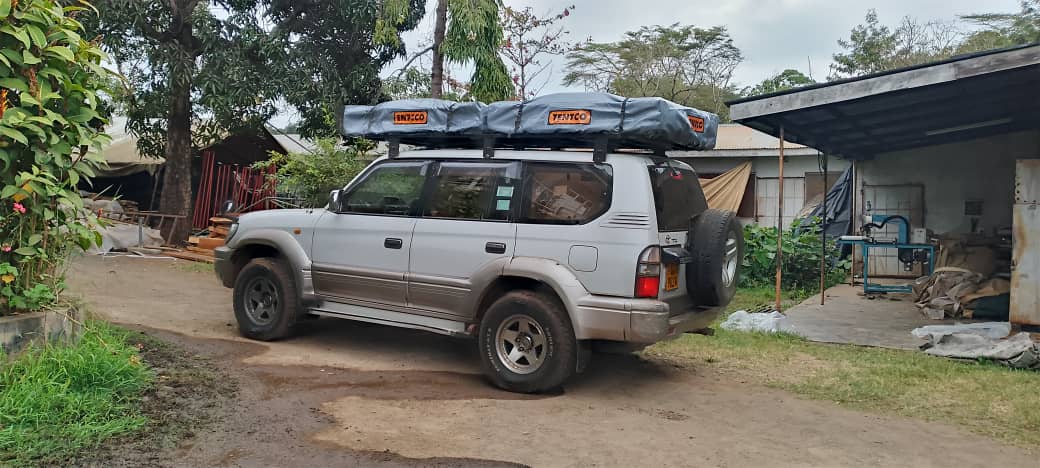
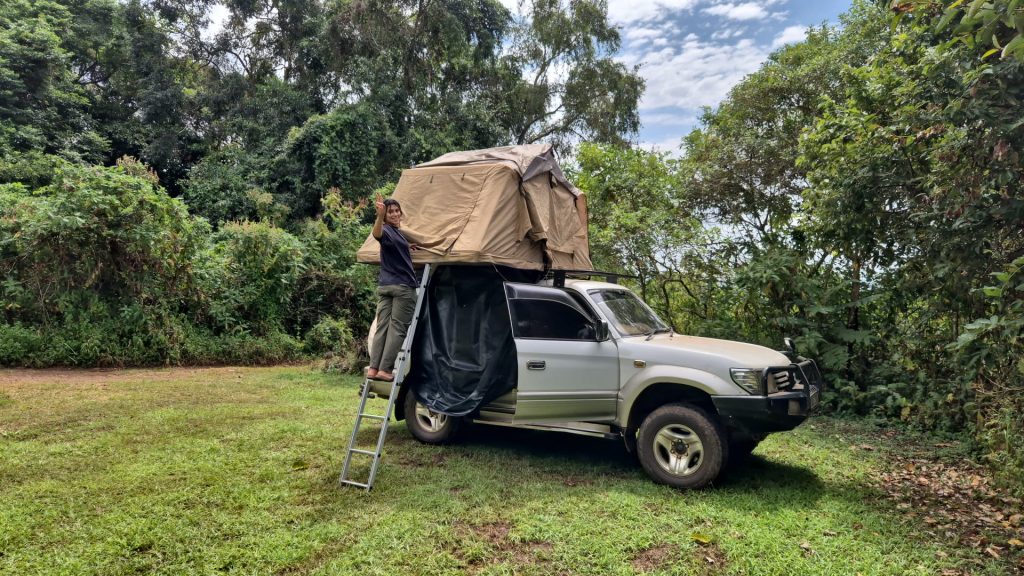
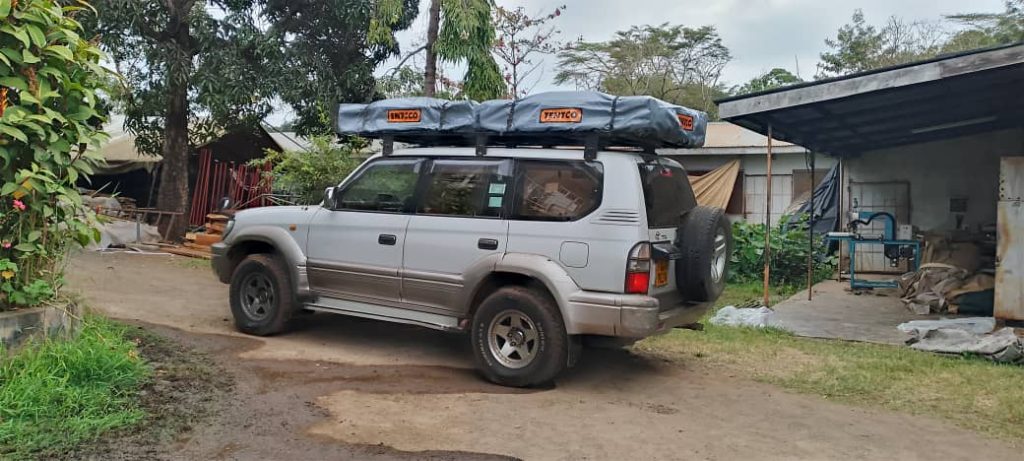 For travellers who enjoy camping, a 4×4 rental with a rooftop tent makes even more sense. Your vehicle becomes both your transport and your accommodation, allowing you to combine campsites with selected wild-camping experiences where permitted.
However, Uganda is not a destination where you should simply drive anywhere and set up camp without checking. Inside national parks, use authorised campsites and follow Uganda Wildlife Authority regulations. Outside protected areas, obtain permission before camping on private or community land.
For a comfortable and capable road trip, we recommend choosing a proper 4×4 safari vehicle such as a Toyota Land Cruiser or a suitable Toyota RAV4, depending on the route and your camping requirements.
12-Day Self-Driving Uganda ItinerarySelf-Driving Uganda Road Trip: 12-Day Itinerary & Camping Guide
This route is designed as a classic Uganda road trip beginning and ending in Entebbe. It combines Murchison Falls, Kibale Forest, Queen Elizabeth, Bwindi and Lake Mburo. It is quite active, so travellers with additional time should consider extending it to 14–16 days.
Day 1: Arrive in Entebbe – Settle In
Your Uganda road trip starts in Entebbe, where you can collect your rental vehicle or arrange delivery. Take your first day slowly. Depending on your arrival time, explore Lake Victoria, visit the Uganda Wildlife Education Centre or simply rest after your flight. This is also a good opportunity to purchase food, drinking water, camping supplies and other essentials before heading into the countryside. Sleep in Entebbe.
Drive: Short local distances
Day 2: Entebbe to Ziwa Rhino Sanctuary and Murchison Falls
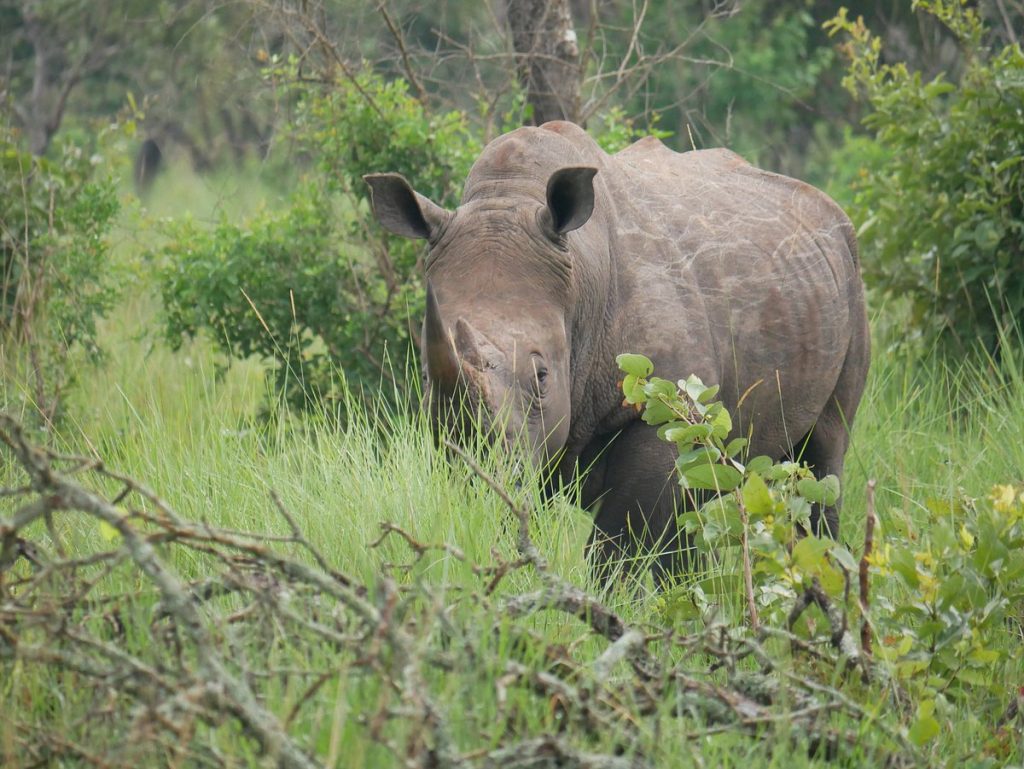 Start early and drive north towards Murchison Falls National Park. A worthwhile stop along the way is Ziwa Rhino Sanctuary, where you can take a guided walking experience to see rhinos in their natural environment. Continue towards Murchison Falls, Uganda’s largest national park. The park is famous for its dramatic waterfall, savannah landscapes and wildlife. Depending on your arrival time, settle into a campsite or lodge and enjoy an evening surrounded by nature.
Approximate driving: 6–7 hours excluding stops
Day 3: Game Drive and Boat Cruise in Murchison Falls
This is your big wildlife day. Leave early for a Murchison Falls game drive, looking for elephants, giraffes, buffalo, antelope and, with some luck, lions. Later, take a boat cruise along the Victoria Nile towards the bottom of Murchison Falls. The riverbanks are often busy with hippos, crocodiles and numerous bird species. For adventurous travellers, hiking towards the top of the falls provides another perspective of this spectacular natural attraction. UWA lists game drives, boat trips and hiking to the top of the falls among the activities available in Murchison Falls National Park.
Spend another night near the park.
Day 4: Murchison Falls to Fort Portal and Kibale
Today is primarily a driving day. Head south-west through Uganda’s countryside towards Fort Portal, a beautiful region surrounded by tea plantations, crater lakes and green rolling hills. Continue towards Kibale Forest National Park, one of Uganda’s best destinations for primate experiences. The scenery gradually changes from savannah to lush tropical forest, giving you a wonderful contrast to the previous days.
Arrive in the Kibale area and settle into your campsite or lodge.
Approximate driving: 7–8 hours
Day 5: Chimpanzee Trekking and Bigodi
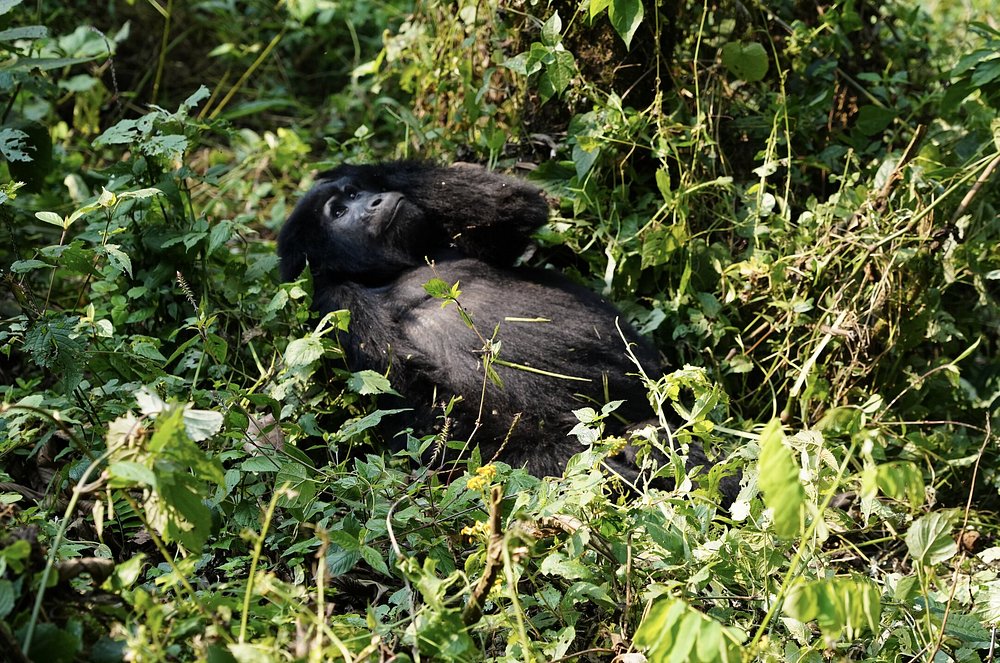 Wake up early for chimpanzee trekking in Kibale Forest. Kibale is one of the country’s most important destinations for chimpanzee experiences, and walking through the forest searching for primates is very different from a traditional savannah game drive. In the afternoon, explore the Bigodi Wetland Sanctuary or relax around your accommodation. This is also a great place to slow the itinerary down. After several long driving days, spending an evening surrounded by forest is refreshing.
Sleep in Kibale.
Day 6: Kibale to Queen Elizabeth National Park
After breakfast, drive south towards Queen Elizabeth National Park. Along the way, enjoy the spectacular views around Fort Portal and the Albertine Rift. Queen Elizabeth is one of Uganda’s best-known safari destinations, with a diverse landscape of savannah, wetlands, forests and lakes. UWA highlights the park for its varied wildlife and specifically notes the famous tree-climbing lions of the Ishasha sector.
Spend the afternoon on a relaxed game drive if time allows.
Approximate driving: 3–4 hours
Day 7: Queen Elizabeth National Park
Give yourself a full day in Queen Elizabeth National Park. Start with an early morning game drive in the Kasenyi plains in search of lions, elephants, buffalo, Uganda kob and other wildlife. Later, consider taking the Kazinga Channel boat cruise. The channel connects Lakes Edward and George and is one of the highlights of the park. The combination of a game drive and boat safari makes Queen Elizabeth one of the most rewarding stops on a Uganda self drive safari.
Day 8: Queen Elizabeth to Bwindi Impenetrable Forest
Today takes you towards one of Uganda’s most spectacular landscapes. Drive towards Bwindi Impenetrable National Park, passing through the rolling hills of south-western Uganda. Travellers with a suitable vehicle and the right route can consider passing through the Ishasha sector, famous for its tree-climbing lions. Road conditions and route accessibility can vary, especially during rainy periods, so check conditions before departure. Eventually the savannah gives way to thick forest and steep hills. Welcome to Bwindi.
Approximate driving: 5–7 hours depending on route and stops
Day 9: Gorilla Trekking in Bwindi
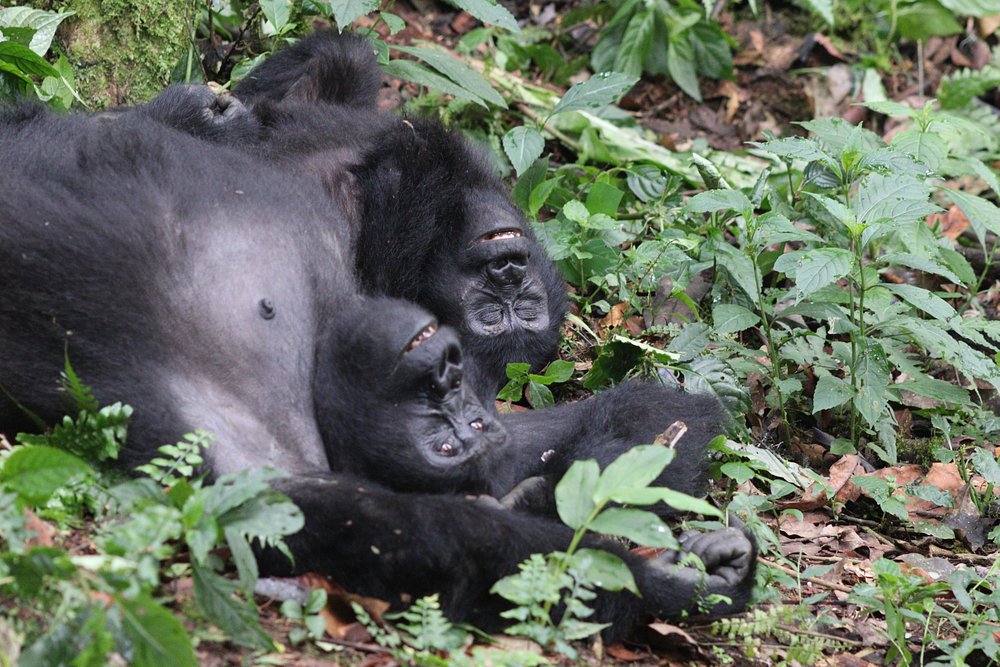 This is likely to be the highlight of your entire journey. Today is reserved for gorilla trekking in Uganda. Gorilla trekking is physically demanding, so wear proper hiking shoes, carry drinking water and prepare for muddy and uneven terrain. The trek can take several hours depending on where the gorilla family is located. Bwindi is one of Uganda’s premier destinations for mountain gorilla trekking, while nearby Mgahinga Gorilla National Park offers another opportunity to experience Uganda’s mountain gorillas. UWA lists both Bwindi and Mgahinga among the country’s national parks.
Because gorilla permits are limited, arrange your trekking date and permit well before travelling.
After the trek, spend the evening relaxing.
Day 10: Bwindi to Lake Mburo National Park
After breakfast, begin the drive north-east towards Lake Mburo National Park. This is another beautiful road-trip section, with changing landscapes, villages and rolling countryside. Lake Mburo makes a particularly good stop for independent travellers because it offers a different safari atmosphere from the larger northern parks. Depending on your arrival time, you can enjoy a game drive or simply relax at camp.
Day 11: Explore Lake Mburo
Spend a full day exploring Lake Mburo National Park.Go for a game drive, take a nature walk or enjoy the peaceful scenery around the park. Lake Mburo is known for zebra, impala, buffalo and other wildlife, and it is one of the Ugandan parks where visitors can enjoy activities beyond conventional game drives. UWA has highlighted the park’s walking safari opportunities and tranquil environment. For campers, this can be one of the nicest places to finish a long self-drive adventure.
Day 12: Lake Mburo to Entebbe
After breakfast, leave Lake Mburo and drive back towards Entebbe.Depending on your departure time, you can make stops along the way or spend your final afternoon around Lake Victoria. Return your Uganda car rental in Entebbe and conclude your road trip.
Approximate driving: 4–5 hours
Camping on a Self-Drive Uganda Safari
Camping gives you the freedom to experience Uganda at a completely different pace. A vehicle equipped with a rooftop tent and camping gear is particularly practical for couples and independent travellers because the tent can usually be set up quickly at the end of the day.
Your camping equipment may include:
- Rooftop tent and mattress
- Camping chairs and table
- Cooking equipment and stove
- Basic crockery
- Sleeping equipment
- Refrigerator or cooler
- Jerry cans for water
- Recovery equipment and spare tyre
Always confirm exactly what your Uganda 4×4 car rental includes before booking. For national parks, use designated or authorised campsites. When camping outside protected areas, make sure you have permission from the property or landowner. And remember one important rule: do not leave rubbish behind. Carry your waste until you find an appropriate disposal point.
What to Pack for a Uganda Self-Drive Road Trip
You do not need to bring your entire house, but a little preparation goes a long way. Pack lightweight clothing, a rain jacket, comfortable walking shoes, sun protection and warm layers for the cooler evenings in the highlands. A headlamp or flashlight is extremely useful when camping. Bring power banks, a first-aid kit, reusable water bottles, insect repellent, personal medications and offline maps. For longer remote sections, keep extra drinking water and snacks in the vehicle.
Downloading offline maps before leaving the cities is also strongly recommended because mobile coverage can be inconsistent in remote areas.
Driving in Uganda – What Should You Expect?
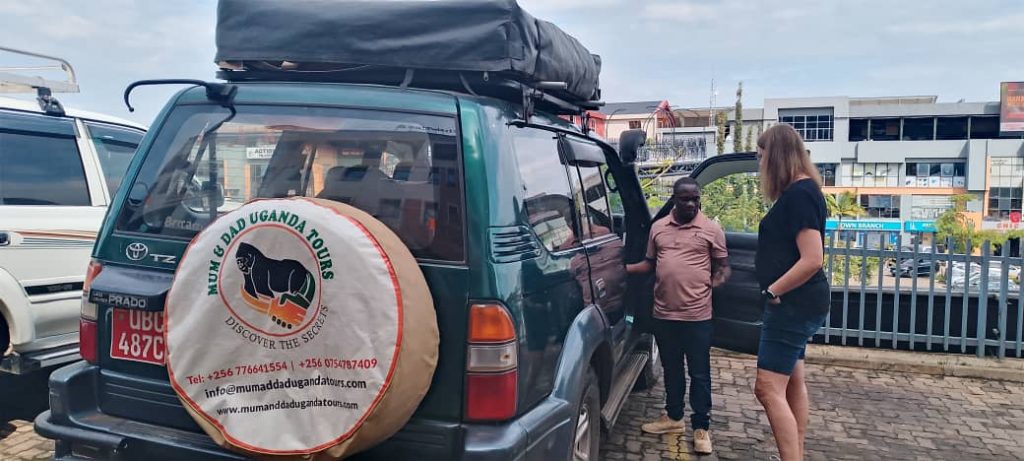 Driving in Uganda is part of the adventure. Major highways connecting Kampala, Entebbe and the larger towns can be relatively straightforward, but conditions change once you enter rural areas, national parks and more remote regions. Expect a mixture of paved highways, gravel roads, dirt tracks, potholes, muddy sections and uneven park tracks.
Rain can significantly change driving conditions.
A capable 4×4 rental in Uganda gives you much more confidence when conditions deteriorate, particularly for safari routes and camping trips. Drive defensively, reduce speed in villages, watch for pedestrians and animals and avoid unnecessary night driving, especially in remote areas.
Inside national parks, follow park regulations and never approach or feed wildlife.
Fuel, Food and Supplies
Fuel stations are common along major routes, but they become less frequent as you move deeper into remote regions. A good rule is simple: top up whenever you have the opportunity. Before leaving Kampala or Entebbe for a longer safari, stock up on bottled water, snacks, breakfast supplies and camping food. For longer self-drive trips, a portable fridge can make a huge difference. It allows you to carry fresh food and drinks rather than relying entirely on restaurants.
When Is the Best Time for a Self-Drive Safari in Uganda?
Uganda can be visited throughout the year, but road conditions and weather can influence a self-drive trip. The drier periods are generally popular for safari and trekking because roads and trails can be easier to navigate. However, the green season can also be beautiful, with lush vegetation, dramatic skies and fewer travellers. For gorilla trekking, remember that rain is possible even during traditionally drier months because Bwindi is a rainforest environment. The most important thing is to select your route and vehicle according to the season.
How Much Time Do You Need for a Uganda Road Trip?
Twelve days gives you a strong introduction to Uganda, but there is much more to see. For travellers with additional time, consider extending the itinerary to include Kidepo Valley National Park, Semuliki National Park, Mount Elgon or additional time around Jinja and the source of the Nile. Kidepo in particular requires more time because of its remote location, but it rewards travellers looking for a quieter and more wilderness-focused safari experience. UWA describes Kidepo as a remote classic African wilderness destination.
Why Rent Your 4×4 with 4×4 Uganda Car Rentals?
The right vehicle can make the difference between a stressful road trip and an enjoyable one.
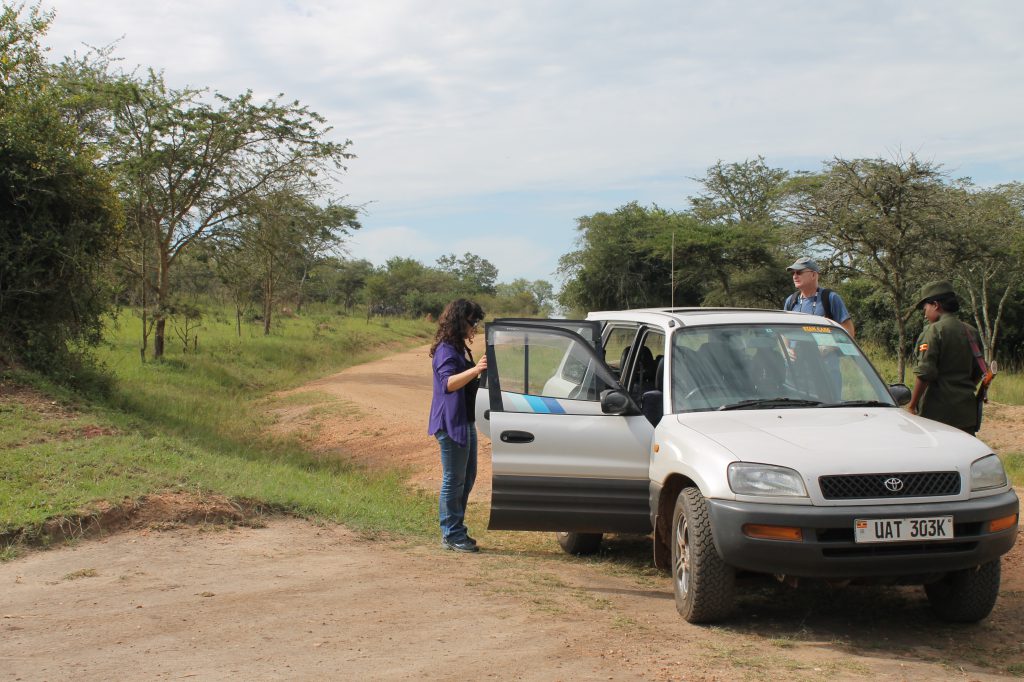 At 4×4 Uganda Car Rentals, travellers can choose from suitable safari vehicles for different styles of travel, including Toyota RAV4 and Toyota Land Cruiser 4×4 rentals, with options for camping equipment and rooftop tents depending on the vehicle.
Whether you are planning a short self-drive safari in Uganda, a long camping expedition or a wider East African road trip crossing into Kenya or Rwanda, having a reliable vehicle and practical travel advice is essential.
The goal is not simply to rent you a car. It is to help you explore Uganda with the freedom to stop, explore and create your own adventure.
Final Thoughts: Take the Long Way Through Uganda
Uganda is made for travellers who enjoy the freedom of the open road. You can wake up beside a lake, spend the afternoon searching for lions, drive through tea plantations the next day, walk beneath an ancient rainforest canopy and then sit around a campfire beneath a sky full of stars. That is the beauty of self-driving in Uganda.
You do not have to rush from one attraction to another. Build your route around the experiences you care about, leave room for unexpected discoveries and choose a vehicle that matches the roads you intend to drive.
For travellers searching for Uganda car rental, self-drive Uganda, Uganda 4×4 hire, camping car rental Uganda or a self-drive safari in Uganda, the country offers an extraordinary road-trip experience.
The road is waiting. Start your Uganda adventure behind the wheel.