
Self-Drive Safaris & Holidays in Africa: The Complete Guide to Exploring Africa on Your Own
Self-Drive Safaris & Holidays in Africa, A self-drive safari in Africa offers something that traditional guided tours cannot always provide: the freedom to choose your own route, stop when you want, spend extra time watching wildlife, and discover places at your own pace. For adventurous travellers, couples, families, photographers and experienced road trippers, driving yourself through Africa can turn an ordinary holiday into an unforgettable adventure.
From the open savannahs of Kenya and Tanzania to the forests and mountain landscapes of Uganda and Rwanda, Africa has some remarkable destinations for independent travellers. However, a successful self-drive safari holiday in Africa requires more than simply hiring a vehicle and following a map. You need the right 4×4, realistic route planning, reliable navigation, knowledge of local driving conditions and respect for wildlife and conservation rules.
This guide explains how to plan a memorable Africa self-drive safari, with particular attention to East Africa.
Why Choose a Self-Drive Safari in Africa?
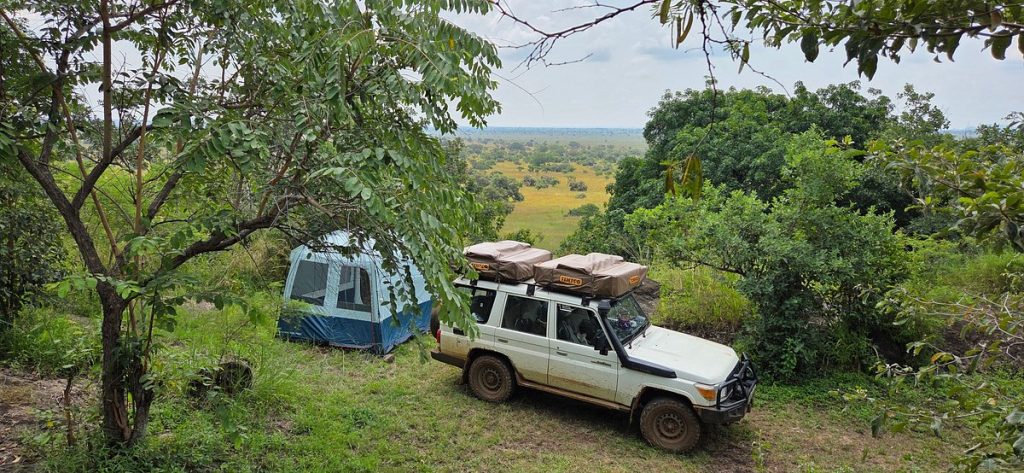 The biggest attraction of a self-drive African safari is freedom. You are not tied to a fixed timetable. You can leave your accommodation early for a sunrise game drive, stop for photographs, spend longer watching elephants at a waterhole or change your route when you discover an interesting village, viewpoint or roadside market.
For travellers who enjoy independence, a 4×4 self-drive holiday in Africa can also provide a more personal experience. Instead of simply moving from one lodge to another, you become part of the journey. Uganda, Kenya and parts of Tanzania offer opportunities for independent travel, although the rules, road conditions and park regulations vary considerably between countries and individual protected areas.
Choosing the Right African Destination for Self-Drive
Africa is a huge continent, and not every safari destination is equally suitable for self-driving. Uganda self-drive safaris are particularly attractive for travellers who want to combine wildlife, primates, forests, lakes and cultural experiences. Main highways connect major towns, while park roads and rural routes can range from reasonably graded dirt roads to challenging tracks requiring a capable 4×4.
Kenya self-drive safaris provide access to famous destinations such as the Maasai Mara, Amboseli, Lake Nakuru and Tsavo, although road conditions and regulations differ between parks and reserves.
Tanzania self-drive holidays can take you towards destinations such as Tarangire, Ngorongoro and Serengeti, but independent travellers need to pay particular attention to park regulations, navigation, road conditions and fuel planning. Rwanda can also be included in an East Africa road trip, particularly for travellers combining Kigali with destinations such as Akagera and the country’s mountain and forest regions.
Why You Need a 4×4 for an African Safari
One of the most important decisions when planning a self-drive safari in Africa is choosing the vehicle. A normal city rental car may be suitable for paved roads, but safari routes are different. National parks commonly have gravel, murram, sand, mud, corrugations, rocky sections and deep ruts. Conditions can change dramatically after heavy rain.
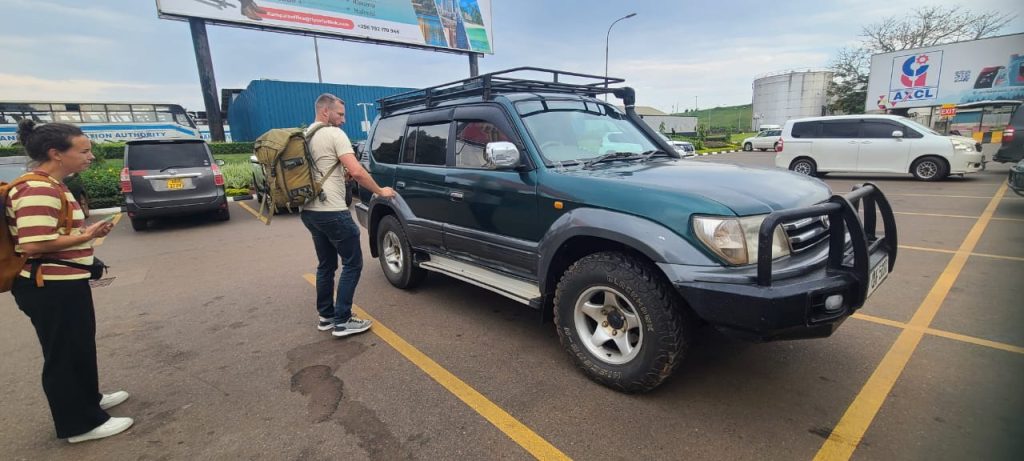
A proper 4×4 safari vehicle gives you higher ground clearance, better traction and greater confidence on difficult roads. In Uganda, for example, some routes approaching Bwindi and other remote destinations can become particularly demanding during wet conditions. For a longer East Africa self-drive safari, popular vehicle choices include Toyota Land Cruiser models, Land Cruiser Prado vehicles and other well-maintained 4x4s equipped for safari travel.
Before collecting your rental car, check that it has:
- A full-size spare tyre, preferably more than one for remote routes
- A jack and basic recovery equipment
- Good ground clearance
- Reliable tyres
- A strong suspension
- Adequate luggage space
- A functioning spare-fuel solution where appropriate
- Comprehensive insurance
- Emergency contact and roadside assistance
- Navigation equipment or reliable offline maps
A rooftop tent 4×4 rental is another popular option for travellers who want to combine transportation and accommodation. It allows you to camp at designated campsites while keeping your sleeping area above the ground.
Planning Your Africa Self-Drive Route
 Good planning makes a huge difference. Avoid creating an itinerary that looks easy on Google Maps but requires long hours on rough African roads. A distance of 200 kilometres can take considerably longer when part of the journey is on gravel or park tracks.Instead, build your itinerary around realistic driving times.
For example, a journey through Uganda could combine Kampala, Murchison Falls, Kibale, Queen Elizabeth, Bwindi and Lake Mburo. A Kenya itinerary might connect Nairobi with Lake Naivasha, Lake Nakuru, Amboseli and the Maasai Mara. Tanzania’s northern circuit can include Arusha, Tarangire, Ngorongoro and Serengeti.
Leave some flexibility in your schedule. Road conditions, wildlife sightings, weather and unexpected delays are all part of an African road trip.
Driving on African Highways and Rural Roads
Self-driving in Africa is not simply about navigating from one GPS point to another. Watch carefully for pedestrians, cyclists, motorcycles, livestock, roadside markets, speed bumps and vehicles stopping unexpectedly. In Uganda, for example, travellers drive on the left, and traffic conditions can change quickly when moving between major highways, towns and rural roads.
Reduce your speed when entering villages and towns, and avoid assuming that an apparently empty road is safe for high-speed driving. On gravel roads, slower driving is usually safer and more comfortable. Dust can also reduce visibility, particularly when following another vehicle.
Self-Drive Game Drives: What You Should Know
A self-drive wildlife safari is very different from an ordinary road trip. Animals have right of way. Never chase wildlife, block animals’ movement or drive aggressively to obtain photographs. Stay on authorised tracks and follow the rules of the national park or reserve. Speed limits are important not only for your safety but also for wildlife conservation.
In Kenya, for example, park and reserve rules can include restrictions on speed, leaving vehicles and driving outside designated tracks. Regulations vary by location, so always check the current rules before entering a protected area.
Remember that a guide has years of experience identifying animal tracks, behaviour and less obvious wildlife. When driving yourself, you may see fewer animals simply because you do not yet know where to look.
Camping on a Self-Drive Safari
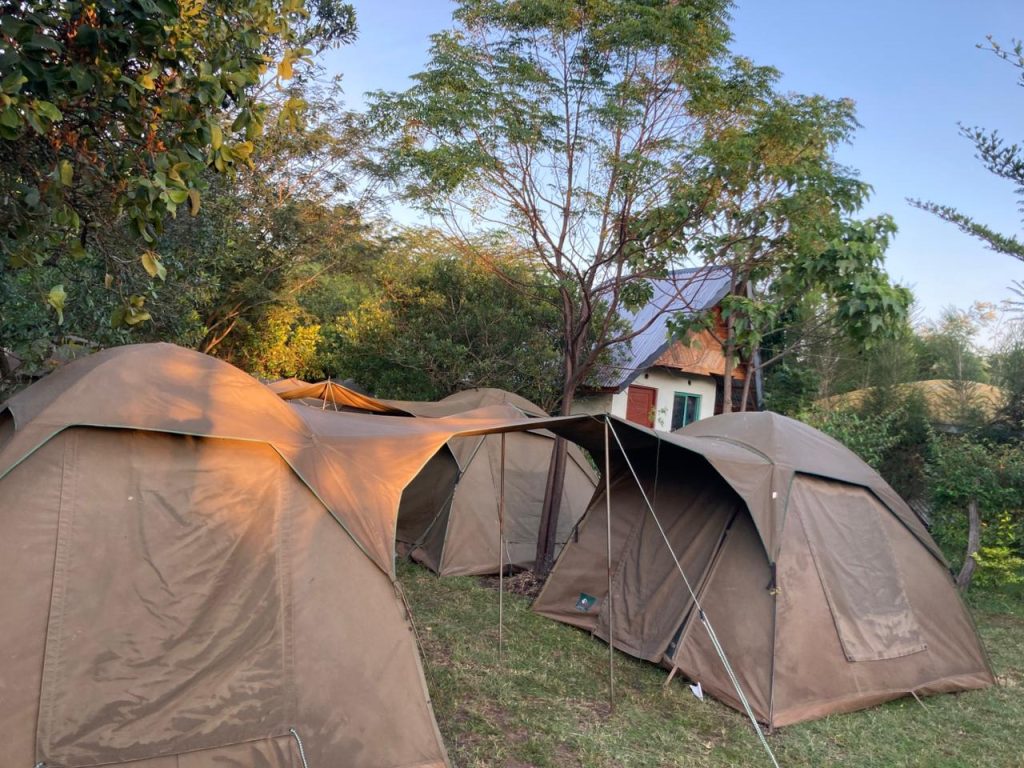 For adventurous travellers, self-drive camping safaris in Africa are an excellent way to reduce accommodation costs while staying close to nature. A rooftop tent can be particularly useful because it provides a comfortable sleeping platform without requiring you to set up a ground tent every evening.
However, always use designated campsites or other legally permitted camping areas. Do not assume that you can simply park anywhere in a national park and spend the night.
Before travelling, confirm whether the campsite has water, toilets, showers, cooking facilities and security. In remote areas, carry enough drinking water and basic food supplies.
Fuel, Navigation and Communication
Fuel planning is one of the most overlooked parts of an Africa road trip by 4×4. Do not wait until your fuel gauge is nearly empty before looking for a station. In remote safari areas, fuel stations can be widely spaced, and some national parks have no fuel stations at all. Travellers should identify refuelling points before entering remote areas and consider carrying additional fuel where appropriate.
Download offline maps before leaving areas with reliable mobile internet. Carry a physical map where practical, and save accommodation, park gates, fuel stations and emergency contacts on your phone.
Best Time for a Self-Drive Safari in Africa
The best season depends on your destination. Dry periods are often easier for driving because dirt roads may be firmer and wildlife can be easier to find around water sources. However, dry-season travel can also mean more dust and higher demand for vehicles and accommodation. Rainy seasons create beautiful green landscapes but can make some roads muddy and challenging. In Uganda, for example, road conditions on some safari routes can change considerably with rainfall.
Rather than asking for one universally “best” month, choose your travel season according to the countries, parks and activities included in your itinerary.
Is a Self-Drive Safari in Africa Right for You?
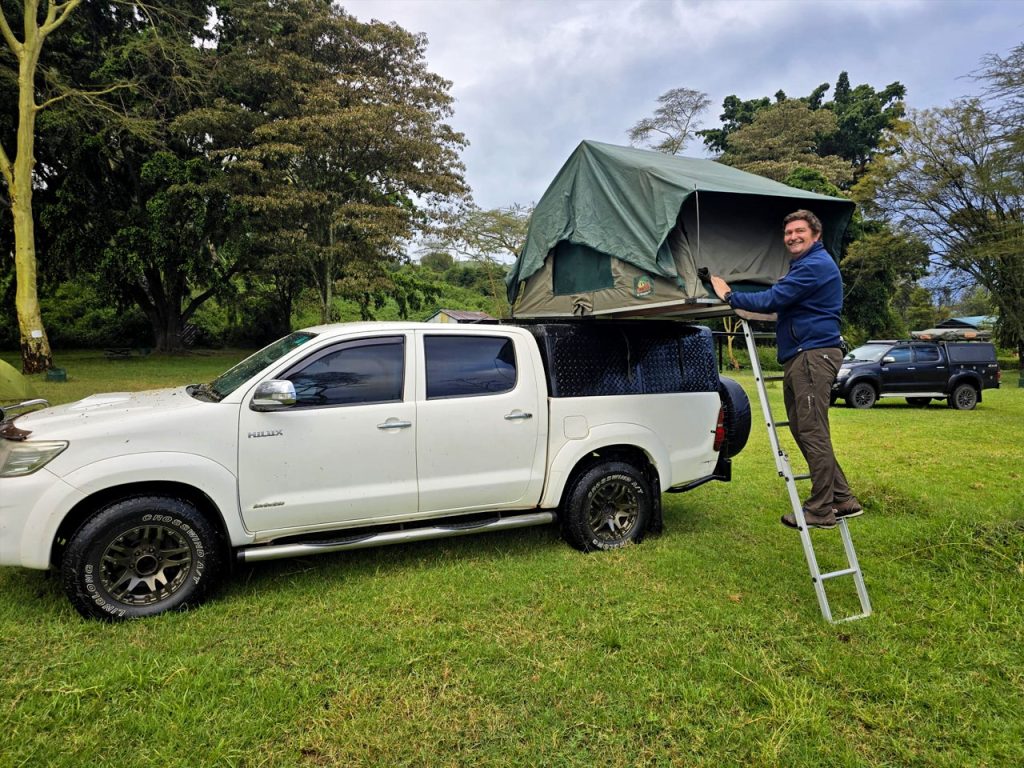 A self-drive holiday in Africa is ideal for travellers who enjoy independence, exploration and flexibility. It requires more responsibility than a guided safari. You are responsible for navigation, fuel planning, vehicle care, route decisions and responding appropriately when conditions change.
If you are comfortable driving a 4×4, enjoy road trips and are prepared to slow down when necessary, self-driving can create an incredibly rewarding African adventure. For first-time visitors who are uncomfortable with remote driving, wildlife encounters or challenging roads, combining self-drive with local guides or guided game drives can also be a practical option.
Plan Your East Africa Self-Drive Adventure
A well-planned East Africa self-drive safari can combine wildlife, camping, cultural experiences, mountain scenery and some of Africa’s most spectacular landscapes.
Whether you are planning a Uganda self-drive safari, Kenya self-drive holiday, Tanzania safari by 4×4, Rwanda road trip or a longer Uganda Rwanda Kenya Tanzania self-drive adventure, start with the vehicle, route and park regulations before booking everything else.
Choose a reliable 4×4, plan realistic driving distances, carry enough fuel and water, use offline navigation, respect wildlife and allow yourself enough time to enjoy the journey.
The greatest advantage of a self-drive safari is that the road itself becomes part of the adventure