
Climate and Season of Uganda
Climate and Season of Uganda, Climate and season are one of the most important considerations. By traveler when planning a trip to Uganda, especially the first-time visitors. It is undeniable that traveling to a distant safari destination comes with numerous questions and concerns. But with our many years of organising safaris and tours in East Africa, we can assert that indeed climate and season. Can be a serious concern for travellers who haven’t been to the “Pearl of Africa” before.
Generally, Uganda is a tropical country with sunny days and warm temperatures. The most time of the year with the most defining factor of climate being “rains”. For this reason, there are two seasons in Uganda- the dry and rainy season.
Dry season in Uganda
The dry months in Uganda are January, February, June, July, August, September, and December when the average daytime temperatures range between 22 and 28 Celsius Degrees (sometimes peaking at 30 Celsius Degrees, especially in the Northern side of the country).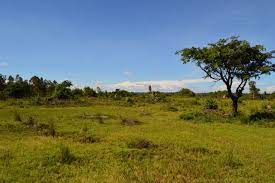
However, thanks to the rainfall levels that range from 1000 to 2000 millimeters all year. Expect rains at almost any time of the day, regardless of season.
The long dry season is from June to September, with Jun and July being the driest in most places in southern Uganda. But given the high altitudes, rains are sometimes inevitable. The average temperature is 27 Celsius Degrees during the day/afternoon and 16 Celsius Degrees in the morning hours.
In the high altitude areas including Bwindi impenetrable national park and Mgahinga National Parks. With altitudes of over 1300 meters above sea level. It tends to be colder in the mornings and evenings regardless of season.
The short dry season is between December and February. And the majority of areas in the south receive less rainfall although still more compared to June and July. Being warmer, daytime temperatures rise up to 28 Celsius Degrees in the afternoons and about 16 Celsius degrees in the mornings. There is very little rain in the Northern areas hence making it a clear dry season.
Rainy season in Uganda.
The long rainy season is from March to May, with heavy rains throughout the country. April is normally the peak in areas of Southern Uganda, although there is sunshine on some days. Given these heavy rains, many traveler avoid these months because dirt roads become literally impassable while the forest trails (used for gorilla treks, chimp treks, and forest/nature walks) become challenging to navigate.
The short rainy season is in October and November, with slightly less rain compared to the long rainy season and daytime temperatures are about 28 Celsius Degrees.
Concerning the best time to visit Uganda, it might interest you to know that this country (regardless of season) is open all year round. However, every season comes with advantages and disadvantages. If you choose to visit during the dry season, you will most likely experience drier and less muddy/slippery hiking trails during primate treks or nature walks. Additionally, the vegetation/grasses will be shorter and watering points reduced in Savannah National Parks hence providing incredible game viewing experiences.
If you choose to visit Uganda during wet months, you should expect lusher vegetation and blooming flowers. Which provide a beautiful background for photography as well as bird watching. These months are however marked by heavy rains. That make forest trails and Park roads literally impassable and difficult to navigate. Thanks to the heavy rains, vegetation grows and becomes lusher hence primates (especially mountain gorillas) have abundant food. Hence don’t have to move deeper into the forest looking for food. For this reason, gorilla treks take a shorter time compared to the dry seasons.