
6 Years Ago in Uganda: And Everything That Changed Since
6 Years Ago in Uganda: And Everything That Changed Since, Uganda in 2020 vs Uganda in 2026: Tourism, Travel, Roads, Technology and the Rise of Self-Drive Safaris
Six years can transform a country in ways that are not always obvious until you look back. In 2020, Uganda faced one of the most challenging periods in its recent history as the COVID-19 pandemic disrupted travel, businesses, education and everyday life. International tourism slowed dramatically, travel restrictions affected movement, and many businesses had to rethink how they operated.
Fast-forward to 2026, and Uganda presents a different picture. Tourism has recovered strongly, digital services have become increasingly important, infrastructure continues to develop, and travellers are discovering new ways to explore the country. From the busy streets of Kampala to the wildlife-rich landscapes of Murchison Falls National Park, Queen Elizabeth National Park and Bwindi Impenetrable National Park, the experience of travelling through Uganda has continued to evolve.
For anyone considering visiting the Pearl of Africa, understanding these changes helps explain why Uganda remains an exciting destination for road trips, wildlife safaris, cultural experiences and independent travel.
1. Uganda’s Tourism Industry Has Made a Remarkable Comeback # 6 Years Ago in Uganda: And Everything That Changed Since
In 2020, Uganda’s tourism industry experienced an unprecedented interruption. Border restrictions, cancelled flights and uncertainty surrounding international travel affected tour operators, hotels, car rental companies, guides and other tourism businesses.
Many safari plans were postponed, and businesses that depended on international visitors had to find ways to survive. For some operators, the period became an opportunity to reconsider their services and prepare for future changes in the travel market.
By 2026, Uganda’s tourism industry had made a significant recovery. According to the Ministry of Tourism, Wildlife and Antiquities, international visitor arrivals reached approximately 1.64 million in 2025, compared with approximately 1.37 million in 2024. Tourism receipts also increased to about US$1.62 billion in 2025. These figures demonstrate the growing importance of tourism to Uganda’s economy.
For travellers, this recovery means a wider range of safari planning opportunities, accommodation choices and organised travel experiences. It also makes early booking particularly important during busy holiday periods.
2. Self-Drive Safaris in Uganda Have Become an Attractive Travel Option
Six years ago, many international visitors relied on organised tour packages with a dedicated driver-guide to explore Uganda. Although guided safaris remain popular, self-drive travel offers another way to experience the country.
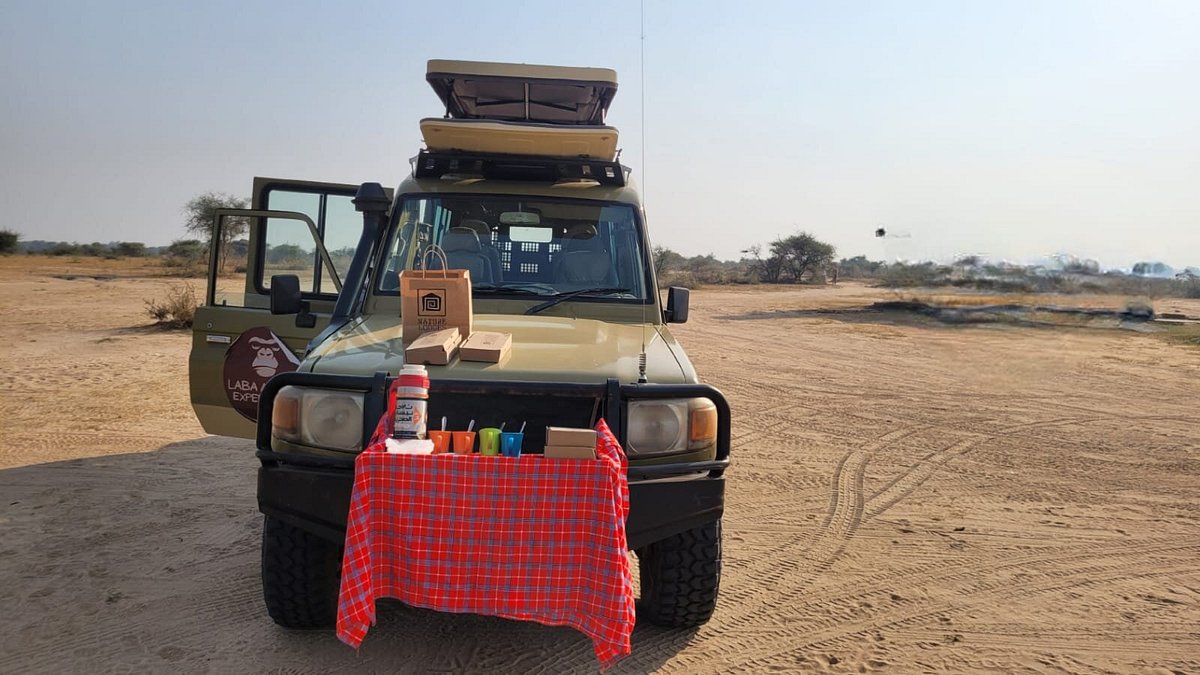
Today, visitors can arrange a 4×4 car rental in Uganda and create an itinerary around their own interests. Some travellers prefer spending several days tracking wildlife in national parks, while others combine gorilla trekking, lakeside relaxation, cultural visits and scenic drives.
A self-drive safari gives travellers greater flexibility over their schedules and overnight stops. However, it requires careful preparation, particularly when visiting remote destinations where road conditions, fuel availability and mobile connectivity can vary.
At 4×4 Uganda Car Rentals, travellers can explore vehicle hire options suited to different journeys, from road trips around Kampala and Entebbe to longer safari adventures across Uganda and the wider East African region.
Choosing the right vehicle matters. A suitable 4×4 safari vehicle can provide greater ground clearance and improved capability on rough roads than an ordinary saloon car. Travellers should still check the specific requirements of their route, as not every vehicle is suitable for every national park or road condition.
3. Roads and Transport Infrastructure Continue to Evolve#6 Years Ago in Uganda: And Everything That Changed Since
Uganda’s road network has continued to develop, improving connections between important towns, commercial centres and some tourism destinations. However, the extent of improvement varies considerably from one route to another. Government infrastructure data indicates that Uganda’s paved national road network increased from approximately 5,591 kilometres in 2019/20 to 6,287.6 kilometres in 2023/24.
These developments are important for travellers planning road trips from Kampala to western Uganda, the southwestern gorilla trekking region or northern destinations such as Murchison Falls National Park.
Nevertheless, visitors should not assume that every road leading to a tourist attraction is paved or in excellent condition. Some park access roads, rural routes and community roads can remain rough, especially during rainy periods.
Before setting off, check the latest route conditions, allow sufficient driving time and select a vehicle suitable for the journey. For longer safaris, a well-planned route can make the difference between a relaxed holiday and a tiring travel experience.
4. Digital Technology Has Changed How Ugandans Travel and Do Business
In 2020, digital services were already part of everyday life, but the pandemic accelerated the importance of online communication, remote transactions and digital business operations. By 2026, travellers increasingly expect to research destinations online, compare accommodation, contact tour operators through messaging platforms and organise vehicle rentals before arriving in Uganda.
For the tourism industry, this change has made online visibility and clear communication especially important. Visitors can investigate safari destinations, review rental requirements, discuss itineraries and request quotations before committing to a trip.
Digital payments and mobile financial services also play an important role in Uganda’s commercial environment. However, travellers should confirm accepted payment methods, transaction charges and booking conditions directly with their service providers.
For car rental customers, arranging important details in advance—including insurance terms, driving requirements, vehicle specifications and cross-border permissions—helps avoid unnecessary confusion after arrival.
5. Uganda’s Wildlife and National Parks Remain a Major Attraction#6 Years Ago in Uganda: And Everything That Changed Since
While travel habits have changed, Uganda’s natural attractions remain among the country’s strongest tourism assets. Bwindi Impenetrable National Park is internationally known for mountain gorilla trekking. Queen Elizabeth National Park offers savannah wildlife, crater lakes and the famous Kazinga Channel. Murchison Falls National Park combines spectacular waterfalls with opportunities to see elephants, giraffes, buffaloes, lions and numerous bird species.
Other destinations, including Kibale National Park, Lake Mburo National Park and Kidepo Valley National Park, provide different experiences for travellers seeking primates, wildlife, scenery and quieter wilderness adventures.
What has changed is the growing range of ways travellers can combine these destinations into personalised itineraries. Some visitors choose a guided wildlife safari, while others arrange a rental vehicle and plan their own road trip, adding accommodation and activities according to their budget.
Responsible travel remains essential. Visitors should follow park regulations, respect wildlife distances, use authorised guides where required and support conservation efforts and local communities.
6. Travellers Are Looking Beyond Uganda to Explore East Africa
Another important development is the appeal of combining several East African destinations in one holiday. Uganda’s location makes it possible to plan journeys that connect with Kenya, Rwanda and Tanzania, subject to travel requirements and practical route planning.
A visitor might combine gorilla trekking in southwestern Uganda with a visit to Rwanda, or plan a longer journey connecting Uganda’s wildlife parks with Kenya’s safari destinations.
However, a cross-border road trip requires more preparation than travelling within Uganda. Vehicle owners and rental customers must confirm written cross-border authorisation, insurance validity, temporary import requirements, driver documentation and any applicable fees before departure.
Not every rental vehicle can cross every border, and park regulations or vehicle-registration rules can differ between countries. It is therefore important to discuss the complete itinerary with your rental provider before confirming a booking.
For travellers seeking a flexible East African adventure, selecting a suitable 4×4 vehicle and planning border crossings carefully can help make the journey more manageable.
7. What Has Not Changed? The Importance of Planning Your Journey
Despite developments in tourism, technology and transport, some fundamentals remain the same. Uganda is a country of considerable geographical diversity, and travelling between destinations can take longer than expected.
Weather conditions, roadworks, wildlife activities and the distance between accommodation facilities can affect an itinerary. Travellers visiting remote parks should plan fuel stops, carry essential supplies and avoid rushing long journeys.
It is also important to choose accommodation that matches the intended route and budget. For gorilla trekking, for example, staying near the assigned trekking sector can reduce early-morning travel. For a multi-park safari, arranging overnight stops strategically helps visitors spend more time enjoying the destinations.
A successful Uganda road trip depends not only on the vehicle but also on sensible scheduling, reliable information and realistic expectations.
8. Exploring Modern Uganda with 4×4 Uganda Car Rentals
At 4×4 Uganda Car Rentals, we recognise that every traveller has different expectations. Some visitors want a practical vehicle for travelling between towns, while others need a capable 4×4 for a wildlife safari, camping adventure or extended East African road trip.
Our Uganda-based rental service helps travellers explore options for independent journeys and safari travel. Depending on availability and itinerary requirements, customers can enquire about suitable vehicles for destinations such as Bwindi, Queen Elizabeth, Murchison Falls and other parts of Uganda.
We encourage every customer to discuss the planned route, number of passengers, luggage, accommodation arrangements and any cross-border travel before choosing a vehicle. This allows the rental arrangement to match the journey rather than simply the destination.
Whether you are visiting Uganda for the first time or returning after several years, a carefully planned road trip can reveal new experiences, changing communities and remarkable landscapes.
Conclusion: Uganda in 2026 Offers New Ways to Discover the Pearl of Africa
Six years ago, Uganda faced a period of considerable uncertainty, particularly for travel and tourism. Since then, the country has experienced a strong tourism recovery, continued infrastructure development and growing use of digital services in business and travel planning.
Yet Uganda’s greatest appeal remains its combination of wildlife, landscapes, culture and warm hospitality. The country offers opportunities for gorilla trekking, savannah safaris, mountain adventures and road trips that connect visitors with communities and natural attractions.
For anyone planning to discover Uganda today, preparation is the key to a rewarding experience. Choose the right vehicle, understand the route, book important activities early and allow enough time to enjoy each destination.
Planning a Uganda safari or self-drive road trip in 2026? Contact 4×4 Uganda Car Rentals to enquire about vehicle options and begin organising your journey through Uganda and the wider East African region